September 1, 2026
Industrial facilities depend on flooring that can withstand demanding conditions while supporting a safer work environment. Manufacturing plants, warehouses, workshops, institutional buildings, and other high-traffic spaces may expose floors to heavy equipment, frequent foot traffic, impacts, moisture, and chemical spills. Over time, an unprotected surface can develop cracks, wear patterns, stains, and other issues that affect both appearance and performance. The right flooring system can help create a more resilient surface that is easier to maintain and better suited to the demands of the facility. Industrial floor coatings can provide a protective layer designed around the specific conditions present in a workspace. According to Mordor Intelligence, industrial and institutional uses accounted for 52.9% of the U.S. floor coatings market in 2025, showing the significant role these applications play in the industry. Understanding how a properly selected and installed coating performs can help facility owners make more informed decisions about protecting their floors. From improving durability to supporting safer daily operations, a well-planned flooring solution can provide practical benefits over time.
Strengthening the Surface Against Daily Wear
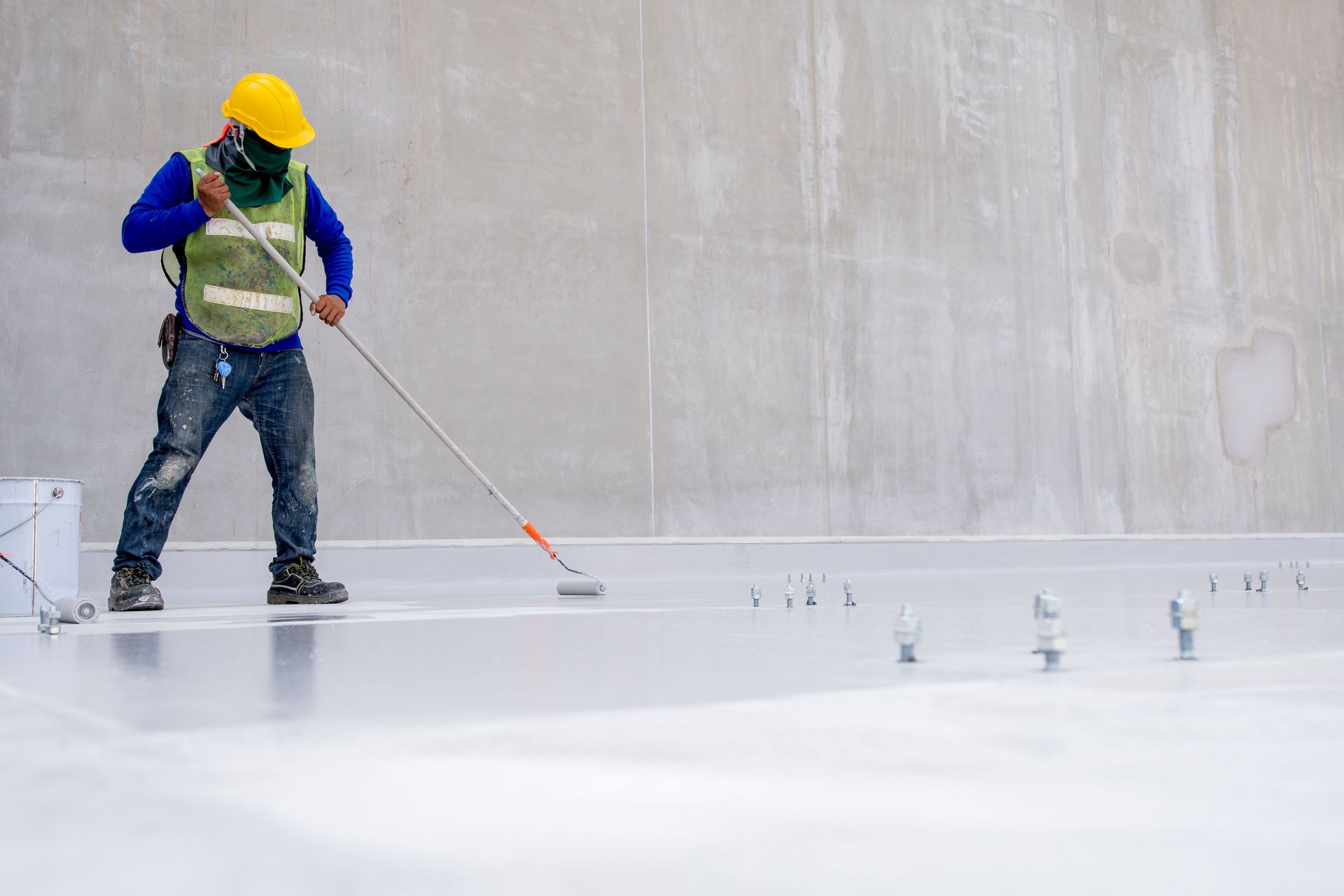
Industrial floors are often exposed to conditions that ordinary surfaces are not designed to handle. Forklifts, carts, machinery, dropped tools, and continuous foot traffic can gradually wear down concrete and other flooring materials. Small imperfections may become more noticeable as the surface experiences repeated stress. A protective coating can add another layer between the underlying floor and the activities taking place above it. Industrial floor coatings can be selected to help address the specific type of traffic and use expected within the facility. This allows the flooring system to be matched to conditions instead of relying on a general solution for every workspace. A properly prepared surface is also important because the coating must bond effectively to perform as intended. By addressing wear before it becomes more extensive, facility owners can support a more durable working surface.
Reducing Hazards Across Work Areas
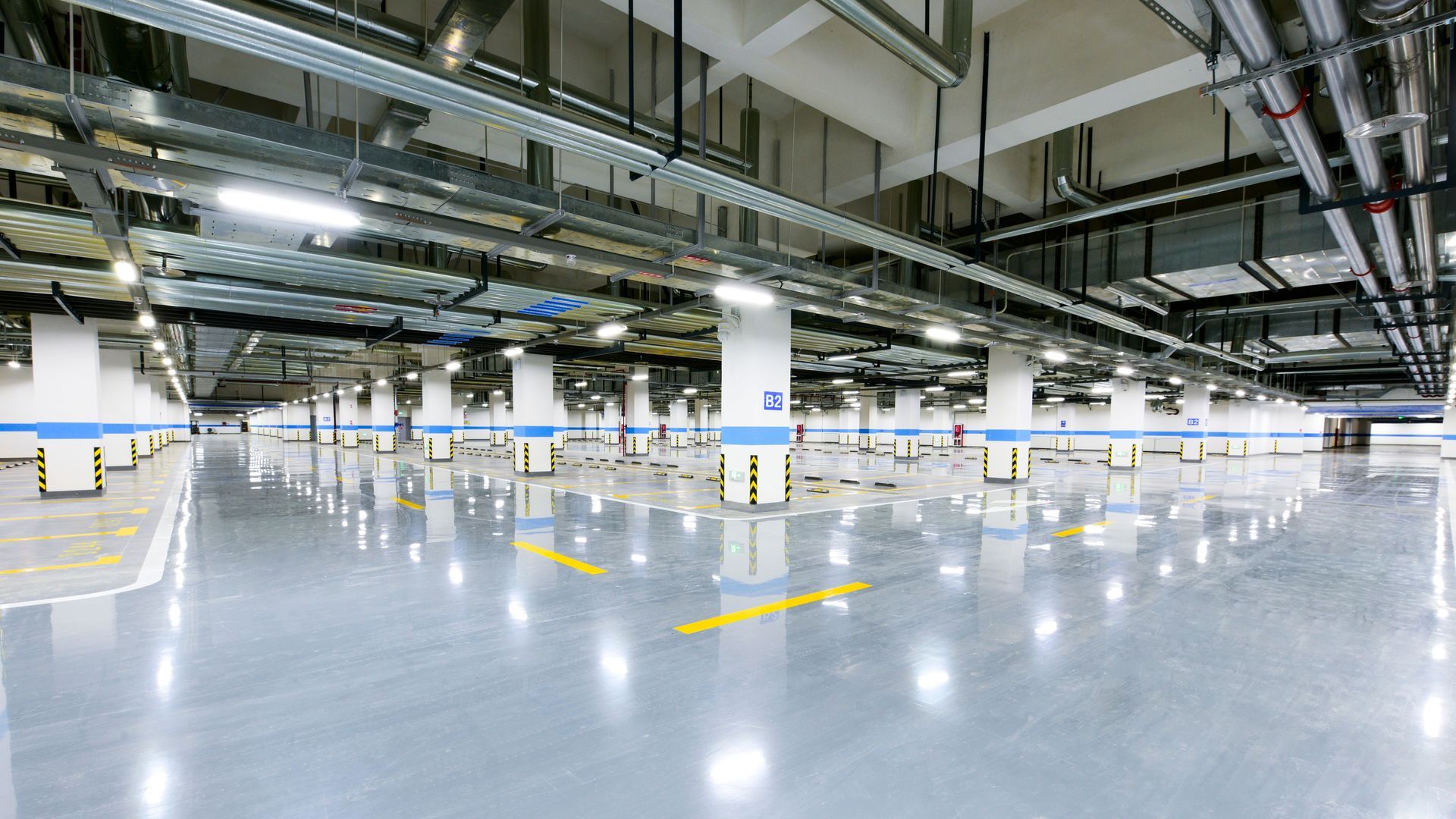
Floor conditions can contribute to workplace hazards when surfaces become damaged, uneven, or difficult to maintain. Cracks, deteriorated sections, spills, and accumulated debris may create concerns for employees and visitors moving through the facility. A coating system can help create a more uniform surface that is easier to monitor and maintain. Depending on the environment and product selection, the finished floor may also be designed with features intended to improve traction or visibility. Industrial floor coatings can therefore become part of a broader effort to support safer conditions throughout a building. However, no coating alone replaces proper housekeeping, employee training, or other workplace safety practices. Facility managers should consider how the flooring system will work alongside their existing safety procedures. When combined with consistent maintenance, a durable floor can help support a cleaner and more organized environment.
Resisting Damage From Demanding Conditions
Different industrial environments expose floors to different forms of stress. A warehouse may experience constant equipment traffic, while a manufacturing facility may deal with impacts, oils, or other substances. The flooring system should be chosen with these conditions in mind rather than based solely on appearance. Some coatings are formulated to provide resistance against particular types of wear, moisture, abrasion, or chemical exposure. Proper surface preparation and installation are essential because even a durable material may not perform well when applied to an unsuitable substrate. Before work begins, the existing floor should be evaluated for cracks, contamination, moisture concerns, and other conditions that could affect the installation. Industrial floor coatings can then be selected as part of a system designed around the actual demands of the facility. This thoughtful approach can help create a surface better prepared for the challenges of daily operations.
Simplifying Cleaning and Maintenance
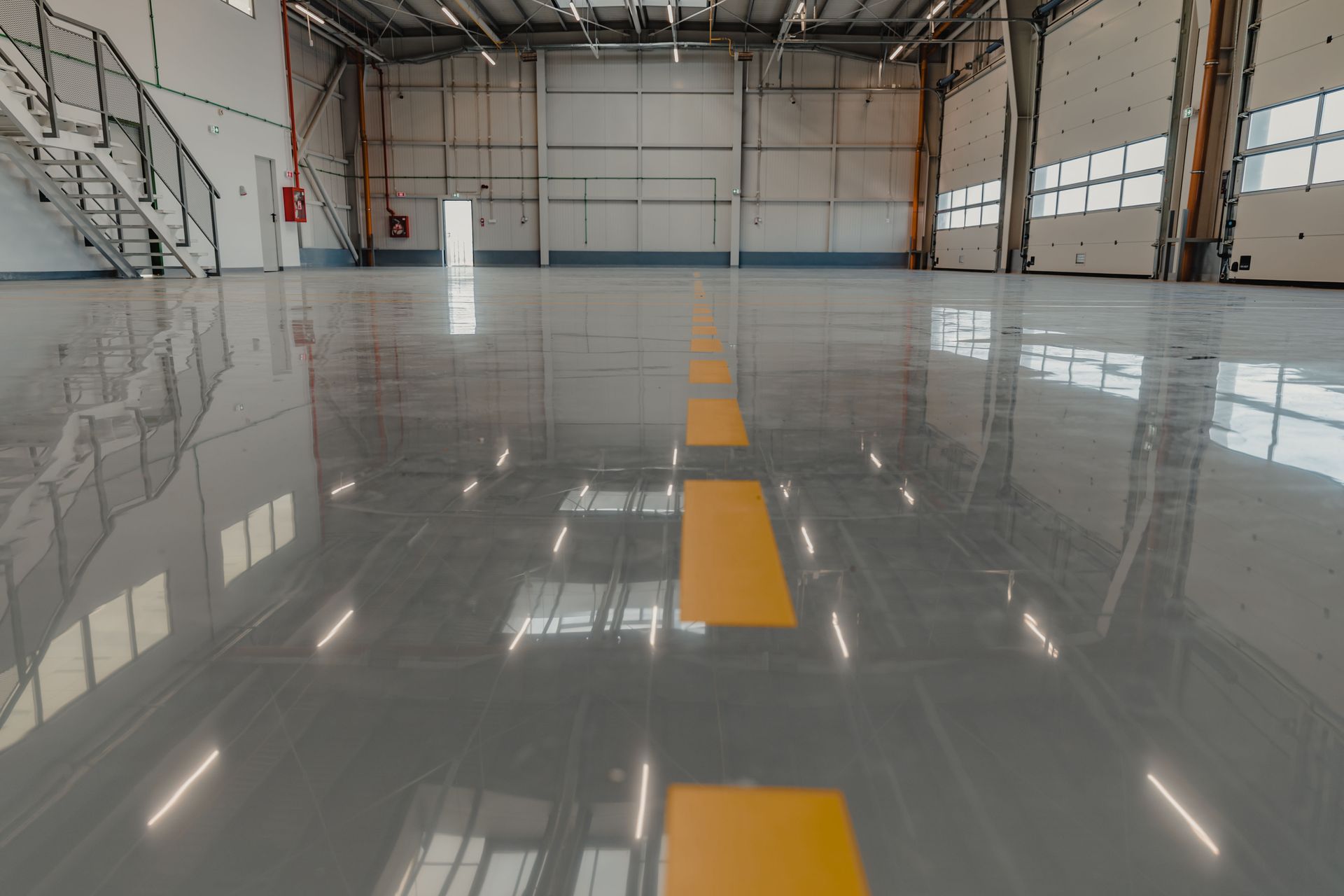
Maintaining a large industrial floor can require significant time and effort, especially when the surface is rough, damaged, or difficult to clean. Dirt and debris can collect in cracks and imperfections, making routine maintenance more complicated. A properly finished coating system can create a smoother and more consistent surface that supports regular cleaning practices. The specific maintenance requirements will depend on the type of coating and the conditions inside the building. Facility owners should still follow appropriate cleaning procedures and avoid using products that could damage the flooring system. Industrial floor coatings may also make it easier to identify spills or areas requiring attention when the surface is maintained in good condition. A cleaner floor can support both the appearance of the facility and the daily efforts of employees responsible for maintaining it. Developing a maintenance plan after installation can help preserve the surface and extend its useful performance.
Supporting Long-Term Floor Protection
Replacing or repairing a severely damaged floor can disrupt normal operations and require substantial planning. Protecting the existing surface may help facility owners reduce the effects of everyday wear before more significant deterioration occurs. A coating acts as a protective barrier that can be tailored to the conditions of the building. The performance of the system depends on factors such as the substrate, preparation process, product selection, installation quality, and level of use. For this reason, evaluating the facility before choosing a solution is an important step. Industrial floor coatings should be viewed as part of a long-term maintenance strategy rather than a simple cosmetic upgrade. When the right system is installed for the environment, it can help protect the underlying floor from many of the stresses associated with regular operations. Careful planning can make it easier to balance immediate needs with long-term facility goals.
Improving Resistance to Everyday Impacts
Busy work environments can expose flooring to impacts that gradually affect the condition of the surface. Tools may be dropped, equipment may be moved across the floor, and heavy materials may be stored or transported throughout the facility. These activities can contribute to chips, scratches, and other visible signs of wear. The appropriate coating system can help provide an additional layer of protection against the stresses associated with daily operations. Material selection should take into account the weight and movement of equipment used in the space. Industrial floor coatings can be designed to support demanding environments where ordinary floor finishes may wear down more quickly. Facility owners can benefit from discussing the specific activities that take place in each area before selecting a system. Matching the flooring solution to the intended use can help support stronger performance and more consistent durability.
Managing Moisture and Spill Concerns
Industrial environments may encounter moisture from cleaning procedures, weather, production activities, or accidental spills. The way a floor responds to these conditions depends on the material, existing substrate, and type of protective system installed. A properly selected coating may help create a surface that is better suited to the moisture conditions present in the facility. Preparation is particularly important when moisture is a concern because conditions beneath or within the concrete can affect coating performance. Before installation, contractors may evaluate the floor and identify issues that should be addressed before applying the system. Industrial floor coatings are not all designed for the same conditions, making product selection an important part of the planning process. A facility that regularly handles liquids may require a different approach from one where moisture exposure is occasional. Understanding the source and frequency of moisture can help create a flooring strategy that addresses the actual working environment.
Industrial flooring plays an important role in protecting a facility, supporting daily operations, and maintaining a safer environment. The right system can help address wear, impacts, spills, cleaning requirements, and the many other challenges that affect demanding workspaces. Rather than treating flooring as an afterthought, facility owners can benefit from choosing a solution based on the specific conditions within their building. With professional evaluation and proper installation, a protective flooring system can provide practical benefits for years to come.
Ready to improve the safety, durability, and performance of your facility's flooring? Contact Jay Dee Inc today to discuss your project and discover how a professionally planned industrial floor coating solution can support the needs of your workspace.