October 16, 2026
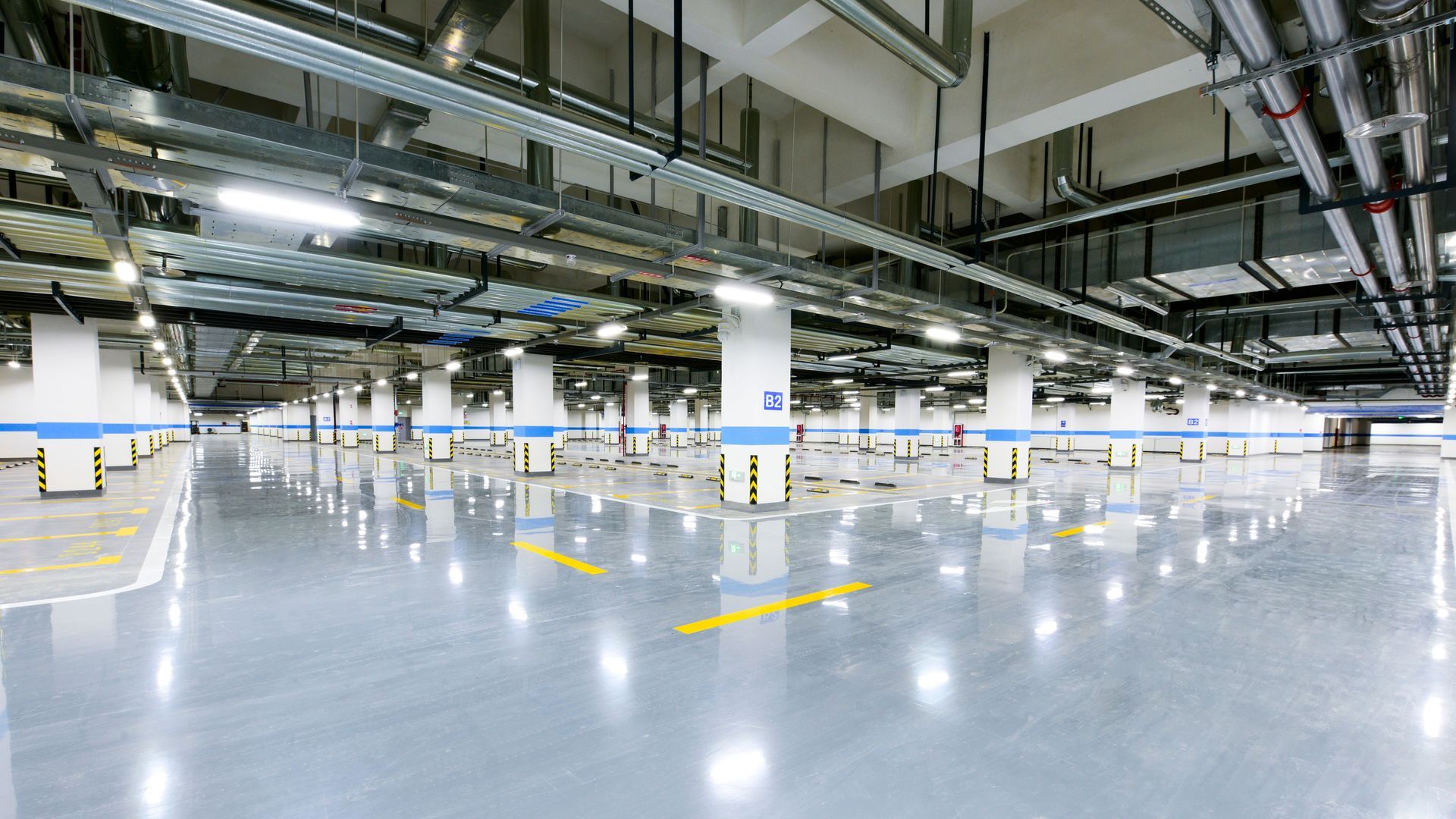
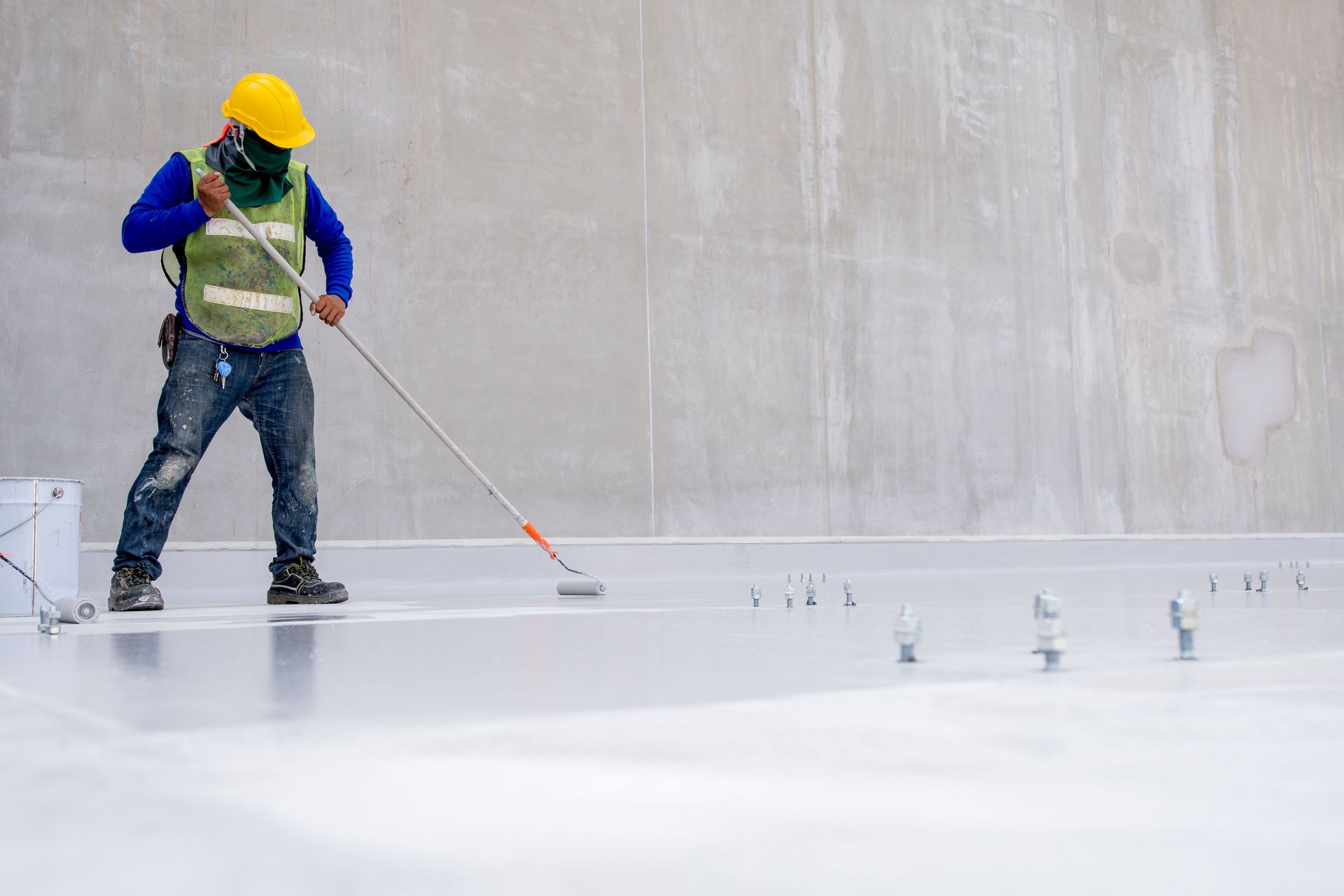
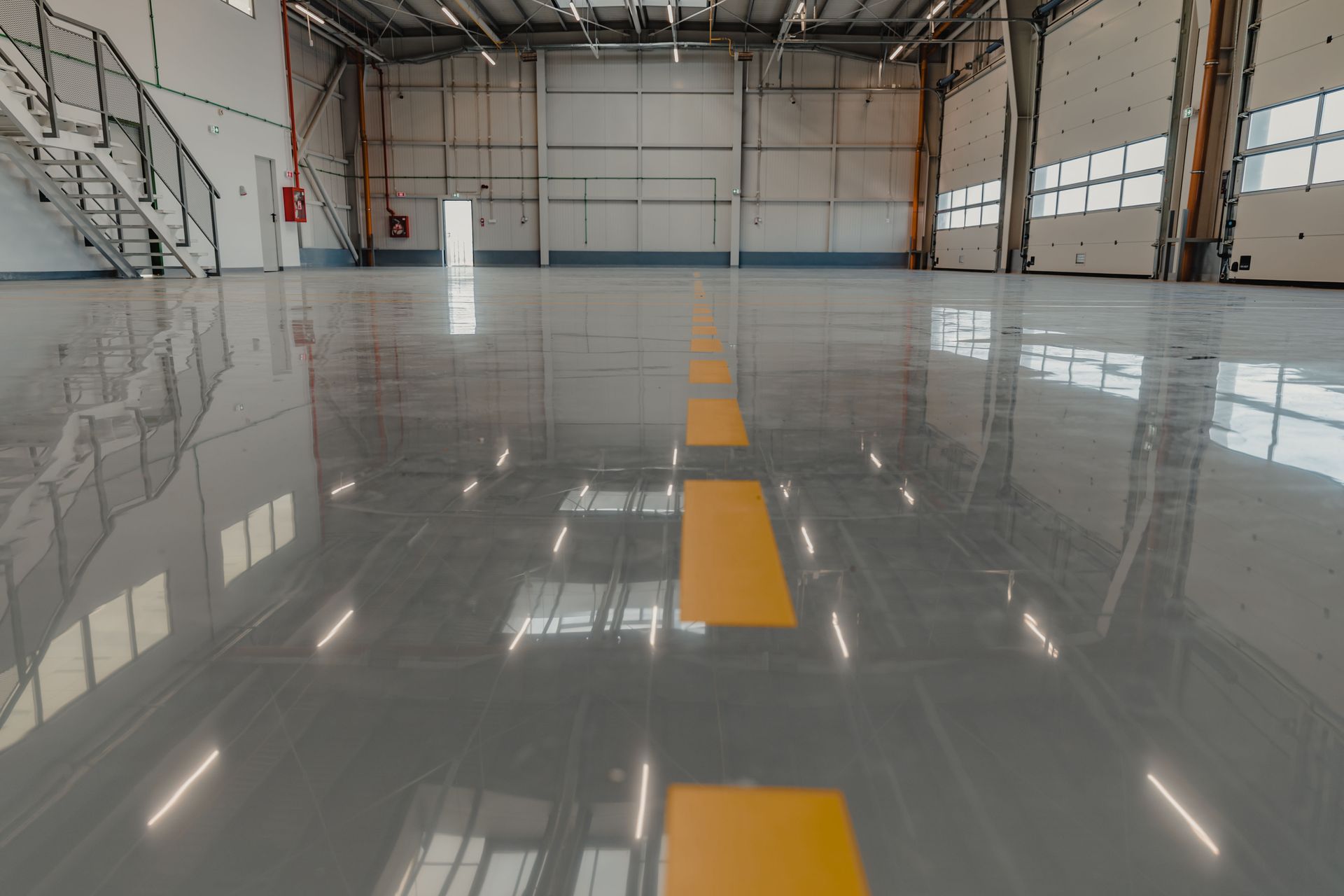
Industrial facilities require tailored floor treatments designed to meet specific operational conditions and physical demands. High-performance industrial floor coatings provide robust surface protection across manufacturing plants, fulfillment centers, and commercial warehouses. Epoxy formulations deliver exceptional mechanical durability and abrasion resistance, making them ideal for heavy foot traffic and forklift paths. Flexible polyurethane options offer superior chemical defense and thermal tolerance, while fast-curing polyaspartic systems minimize facility downtime during application.
Evaluating Performance Advantages
Selecting the right surface formulation directly influences long-term facility maintenance costs and operational safety. Durable epoxy surfaces create a seamless barrier that resists impact damage, eliminating the need for constant surface patching. Polyurethane solutions excel in pharmaceutical and food processing facilities where stringent hygiene and chemical resistance are mandatory. Fast-curing polyaspartic coatings allow rapid installation, enabling teams to resume operations quickly. According to Forbes, allowing 72 hours for any floor coating to set before normal use resumes is a widely recommended practice.
Understanding Material Dynamics
Grasping the specific physical properties of your floor finish is essential for implementing an effective maintenance routine. Hardness, tensile strength, and chemical tolerance dictate how a surface responds to continuous heavy machinery traffic or liquid exposure. Understanding these material characteristics guides the selection of appropriate cleaning agents and protective equipment. Knowledgeable facility managers can predict wear patterns and prevent premature surface failure through informed, proactive care.
Selecting Operational Solutions
Choosing the proper protective treatment requires evaluating daily operational stressors, traffic volume, and chemical exposures. Facility managers must assess ambient temperature swings and mechanical loads to select a formulation that delivers long-term durability. Modern advancements yield specialized finishes that feature slip-resistant textures, high gloss reflectivity, and anti-static properties. Making an informed selection ensures superior surface performance, enhances workplace safety, and lowers long-term capital expenditure.
Sweeping Daily Debris
Daily maintenance forms the foundation of any effective facility management strategy, preventing abrasive particles from scratching protective finishes. Sweeping high-traffic zones with soft-bristle brooms or dust mops removes loose grit and metal shavings before they become embedded. For stubborn grime, cleaning teams should use damp mops paired with mild, non-abrasive cleaning solutions. Consistent daily sweeping preserves surface clarity, maintains visual appeal, and extends the lifespan of industrial floor coatings.
Choosing Proper Machinery
Selecting appropriate cleaning machinery is critical to removing tough industrial soils without damaging protective surface layers. Automatic scrubbers maximize cleaning efficiency in expansive warehouses while significantly reducing manual labor requirements. Operations teams should fit scrubbers with soft nylon brushes or non-abrasive pads to avoid scratching smooth floor finishes. Regularly servicing cleaning equipment ensures consistent water recovery and prevents mechanical malfunctions that disrupt maintenance schedules.
Selecting Safe Chemicals
Using compatible cleaning chemicals is essential for preserving the protective qualities and appearance of heavy-duty floor finishes. Neutral-pH detergents effectively lift dirt and grease while protecting the underlying chemical bond of industrial floor coatings. Highly corrosive agents containing ammonia, bleach, or citrus solvents must be avoided because they cause surface clouding and material breakdown. Conducting spot tests on small, inconspicuous areas verifies cleaner compatibility before full-scale application.
Addressing Immediate Spills
Cleaning up chemical, oil, or liquid spills immediately prevents permanent surface staining and mitigates workplace safety hazards. Allowing liquids to sit on floor surfaces increases the risk of chemical absorption, softening, or unsightly discoloration. Immediate remediation eliminates slip-and-fall hazards, helping facility managers maintain strict workplace safety standards. Training personnel on proper spill response protocols ensures fast containment, protecting both staff and floor finishes.
Conducting Routine Inspections
Establishing structured inspection schedules allows maintenance teams to identify minor surface defects before they escalate into major failures. Regular visual audits should focus on high-traffic corridors, staging areas, and locations exposed to frequent chemical contact. Documenting inspection findings in maintenance logs helps track surface degradation trends over time. Proactive monitoring enables facility managers to plan targeted touch-ups, ensuring continuous operational safety and performance.
Detecting Early Wear
Identifying early signs of wear allows maintenance staff to intervene before substrate concrete suffers permanent damage. Surface dullness, micro-scratches, and hairline cracks indicate that protective topcoats are wearing down under daily operational traffic. High-traffic staging areas and loading docks require close monitoring due to constant forklift movement and heavy pallet dragging. Promptly addressing minor surface wear prevents moisture intrusion and avoids costly, large-scale floor restoration.
Training Operational Staff
Educating facility employees on proper floor care fosters a culture of shared responsibility and environmental safety. Staff training should emphasize correct chemical dilution, proper equipment operation, and immediate spill reporting protocols. Encouraging open communication allows workers to highlight high-wear areas and suggest maintenance process improvements. A well-trained workforce significantly reduces accidental surface damage, supporting long-term preventive care strategies across the facility.
Restoring Worn Finishes
Restoring aged floor finishes involves mechanical diamond grinding to strip damaged topcoats and open concrete pores for new adhesion. Re-applying commercial-grade industrial floor coatings reinstates impact strength, chemical defense, and high-gloss visual appeal. Applying specialized topcoats can also improve slip resistance and restore faded safety line striping across work zones. Allowing full cure cycles, such as the recommended 72-hour setting window, ensures maximum cross-linking and long-term durability.
Testing Slip Resistance
Maintaining adequate chemical and slip resistance is crucial for protecting workers in demanding commercial environments. Applying textured aggregates within topcoats increases traction in wet, oily, or high-traffic processing areas. Regular coefficient-of-friction testing verifies that floor surfaces comply with national workplace safety standards. Prioritizing slip resistance reduces workplace accidents, lowers liability risks, and maintains a safe, productive working environment.
Meeting Regulatory Standards
Complying with federal and regional safety regulations governs the selection, installation, and maintenance of specialized floor finishes. Regulatory bodies dictate acceptable VOC emissions, chemical containment capabilities, and hygienic standards for specific processing industries. Adhering to these mandatory guidelines ensures legal compliance while protecting employee health and environmental safety. Regular consultations with safety compliance officers help facilities adapt their floor maintenance procedures to evolving legal standards.
Protecting Maintenance Workers
Implementing strict safety protocols during floor maintenance activities guards workers against chemical exposures and physical injuries. Custodial personnel must wear appropriate safety gear, including chemical-resistant gloves, safety goggles, and respirators during application. Providing comprehensive training on chemical handling and ventilation procedures minimizes health risks during heavy-duty maintenance tasks. Prioritizing worker welfare fosters a safety-first workplace culture and reduces occupational injury claims.
Adopting Sustainable Practices
Incorporating eco-friendly floor care practices supports corporate environmental goals while delivering strong operational results. Utilizing non-toxic, biodegradable cleaning solutions prevents chemical runoff from contaminating local water systems and soil. Choosing low-VOC industrial floor coatings improves indoor air quality for facility occupants during application and curing. Sustainable maintenance strategies balance high-performance surface protection with responsible environmental stewardship.
Utilizing Smart Equipment
Modern cleaning machinery incorporates automated sensors, precision dosing, and eco-friendly water recovery systems to optimize floor care. Autonomous scrubbers navigate large facility layouts independently, delivering consistent cleaning performance while reducing manual labor costs. Smart equipment tracks cleaning metrics and alerts operations teams when brushes or suction squeegees require replacement. Leveraging advanced cleaning machinery keeps high-performance industrial floor coatings in peak condition with minimal operational effort.
Providing ongoing education for maintenance personnel ensures teams stay informed on evolving material technologies and equipment. Training programs should focus on new application methods, environmental compliance, and advanced equipment operation. Developing a highly skilled maintenance team improves operational efficiency and reduces accidental surface damage. Continuous professional development prepares workers to manage modern floor systems effectively, and for expert commercial floor application and maintenance services, rely on Jay Dee Inc.