September 12, 2026
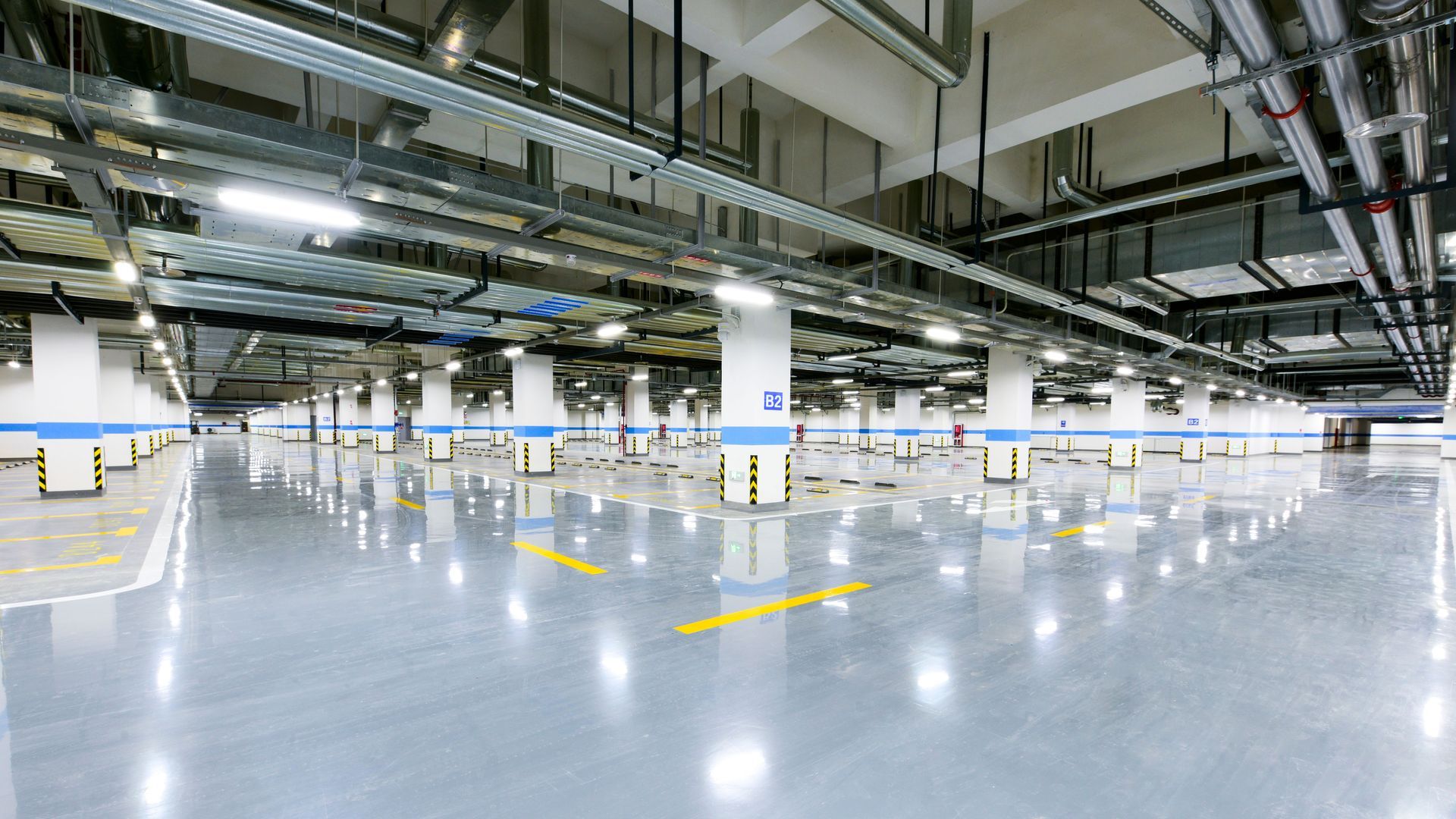
In the complex landscape of public space management, slip-resistant coatings play a pivotal role in minimizing injury risks and safeguarding property owners against severe financial liability. Slip and fall accidents represent one of the most frequent sources of personal injury claims in commercial facilities, municipal buildings, retail centers, and transit hubs. Implementing proactive surface treatments offers a scientifically proven method for enhancing traction, maintaining regulatory compliance, and demonstrating due diligence. By understanding the chemical technology and long-term risk management benefits behind modern non-slip applications, facility managers can make informed decisions that protect public safety while defending their organizations against costly legal disputes. Taking a comprehensive, preventative approach to surface friction transforms high-risk, slick walkways into secure thoroughfares that stand up to heavy foot traffic and changing environmental conditions.
The Science and Legalities of Slip Resistance
Slip-resistant coatings function by fundamentally altering the microscopic texture of a floor, increasing the dynamic coefficient of friction between pedestrian footwear and the ground surface. Formulations utilizing epoxy, polyurethane, or acrylic resins are mixed with graded aggregates—such as quartz, aluminum oxide, or recycled glass—to create micro-grooves that channel away surface liquids. This mechanical traction prevents hydroplaning in high-moisture zones like entrances, restrooms, and outdoor walkways. When tile, stone, or concrete surfaces degrade under foot traffic, investing in professional commercial floor restoration restores structural integrity while applying high-traction topcoats that prevent dangerous slips in high-traffic public corridors.
From a legal perspective, commercial property owners owe a strict duty of care to invitees and visitors to maintain reasonably safe premises. When a slip-and-fall accident occurs on a slick surface, courts evaluate whether facility managers acted negligently by failing to remedy known slip hazards. According to Verified Market, the tile floor repair services market is projected to reach $2.8 billion by 2033, growing at an annual rate of 7.4% from 2026 to 2033. This substantial market expansion highlights how commercial operators increasingly rely on specialized restoration and protective coatings to uphold safety standards, mitigate premises liability claims, and avoid severe courtroom judgments.
Demonstrating that a facility regularly measures surface friction and applies industry-standard slip-resistant treatments provides compelling documentary evidence of due diligence during legal discovery. Adhering to established coefficient-of-friction standards—such as ASTM and ANSI safety guidelines—establishes that property managers actively fulfilled their duty of care. Scheduling routine commercial floor restoration ensures that safety coatings remain fully bonded to underlying substrates and function effectively despite continuous daily wear. Proactive surface maintenance drastically reduces the likelihood of negligence lawsuits, protecting corporate entities from reputational damage, sudden financial losses, and escalating legal defense fees. Additionally, thorough maintenance logs document systematic safety oversight, neutralizing claims that management acted with reckless disregard toward visitor safety.
Public Health and Financial Risk Mitigation
Beyond defending against individual lawsuits, slip-prevention measures deliver widespread public health benefits by drastically reducing emergency room visits and long-term rehabilitation costs. Falls are a leading cause of traumatic brain injuries, fractures, and severe physical trauma among older adults in public venues. Applying durable slip-resistant coatings turns hazardous, polished walkways into secure thoroughfares, protecting vulnerable citizens and lowering overall community healthcare burdens. Furthermore, commercial property owners who maintain flawless safety records enjoy direct financial benefits through reduced commercial liability insurance premiums, as underwriters reward facilities that demonstrate active risk-mitigation protocols.
The financial return on investment for high-traction floor treatments becomes immediately apparent when comparing application costs against the staggering expenses of personal injury litigation. A single slip-and-fall lawsuit can easily result in hundreds of thousands of dollars in medical settlements, court fees, and operational disruptions. Integrating specialized anti-slip coatings during scheduled commercial floor restoration yields substantial long-term savings by eliminating slip hazards before accidents occur. Protecting hard-surface flooring with high-durability polymers also shields underlying tile and concrete from chemical spills, impact cracking, and moisture intrusion, extending total surface lifespan.
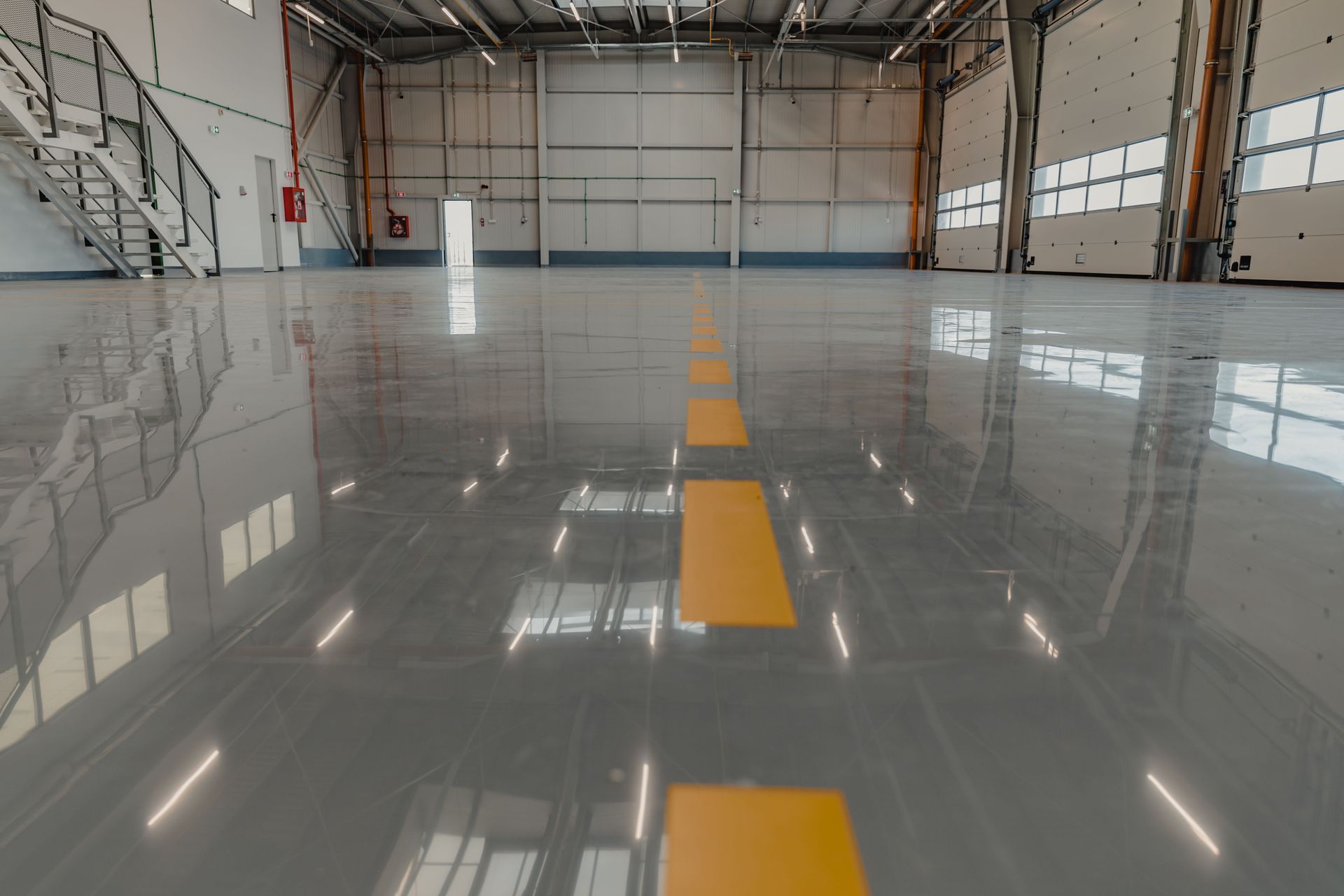
Modern high-performance coatings are specifically engineered to withstand heavy foot traffic, mechanical equipment, and aggressive cleaning chemicals without losing their slip-resistant properties. Advanced polyaspartic and urethane formulations cure rapidly, allowing property managers to complete safety upgrades overnight without closing facilities during peak operational hours. Incorporating periodic commercial floor restoration into preventative maintenance schedules ensures that aggregate particles remain evenly distributed across pedestrian walkways. Taking a comprehensive approach to surface safety safeguards human health, stabilizes annual operating budgets, and shields business owners from the unpredictable costs associated with premises liability claims. These long-lasting chemical treatments resist yellowing, UV degradation, and harsh cleaning agents, guaranteeing continuous protection and professional appearance across high-visibility public spaces.
Strategic Implementation and Technological Innovations
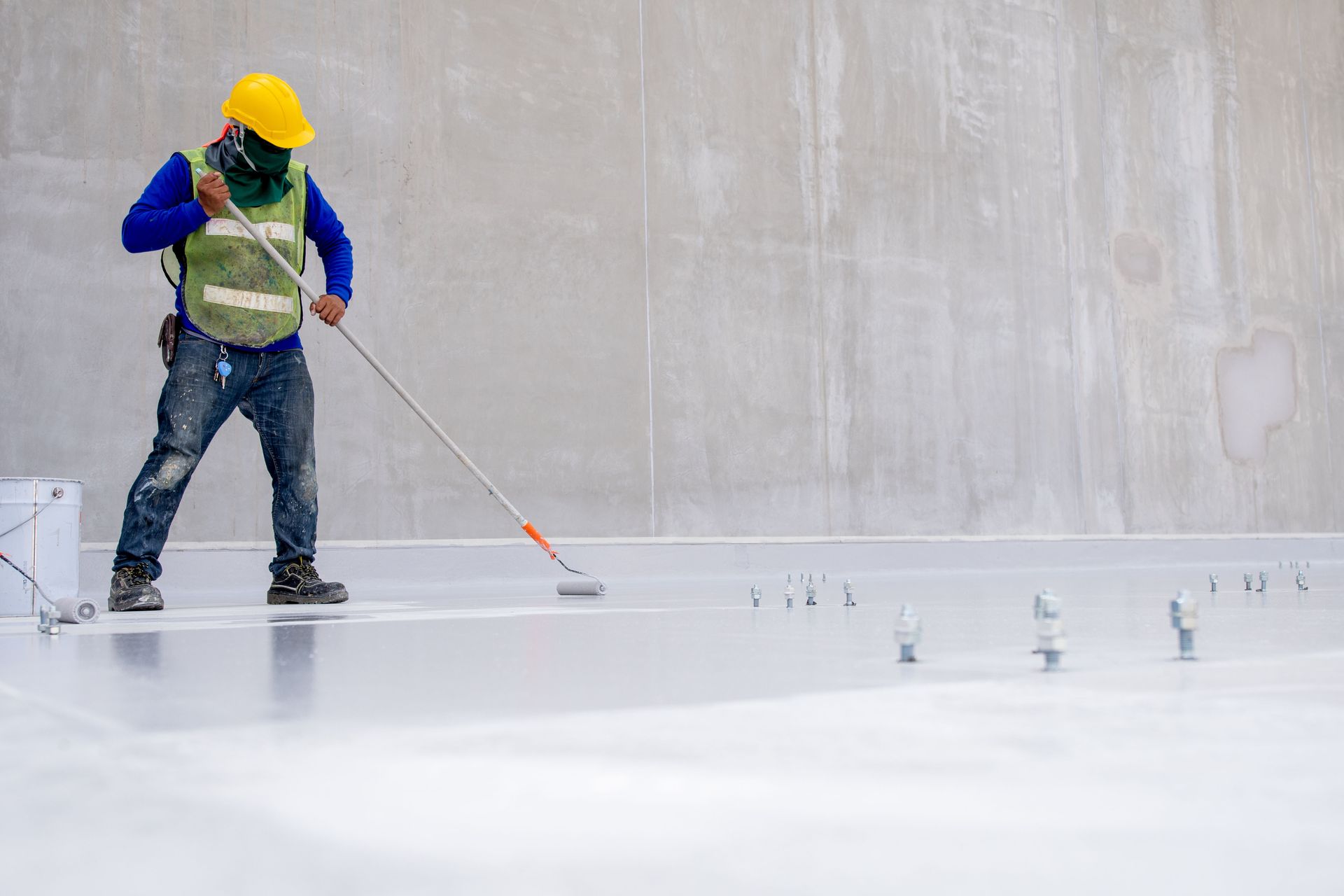
Successfully deploying slip-resistant coatings across large public facilities requires strategic planning, thorough site assessments, and accurate material selection. High-risk zones—such as building lobbies subject to rain tracking, commercial kitchen floors, pool decks, and stairwells—demand customized coating formulations tailored to specific environmental exposures. For example, outdoor walkways require UV-stable, flexible polyurethane systems that resist temperature fluctuations, whereas indoor commercial kitchens need heavy-duty chemical-resistant epoxies. Partnering with certified contractors for regular commercial floor restoration ensures proper surface profiling, thorough chemical degreasing, and flawless coating adhesion across all treated zones.
Technological advancements continue to revolutionize the slip-resistant coating industry, introducing sustainable, eco-friendly resin formulations alongside smart sensor technologies. Modern water-based polyurethanes emit minimal volatile organic compounds during installation, supporting indoor air quality and green building standards. Furthermore, emerging smart coating systems incorporate micro-sensors that measure surface moisture levels and wear patterns in real time, alerting facility managers when friction levels drop below safe thresholds. Combining cutting-edge surface diagnostics with scheduled commercial floor restoration creates a predictive maintenance model that continually optimizes floor traction and eliminates dangerous slip zones before accidents happen.
Integrating predictive analytics and automated application methods allows commercial facility managers to maintain consistent safety compliance across expansive multi-property portfolios. Robotic surface preparation and precision spraying ensure uniform aggregate distribution, eliminating thin spots where slips are most likely to occur. As public safety regulations grow stricter and premises liability litigation becomes increasingly costly, adopting modern slip-resistant technologies is an essential business practice. Scheduling expert commercial floor restoration protects physical assets, fulfills legal duties of care, and provides the public with safe, welcoming environments that foster lasting community trust. This data-driven approach allows maintenance directors to justify facility expenditures with clear safety metrics and objective performance benchmarks.
Implementing slip-resistant coatings across public spaces is a vital, cost-effective strategy for protecting pedestrian health and drastically reducing premises liability risks. By elevating surface friction, guarding against environmental moisture, and maintaining strict compliance with national safety standards, facility managers proactively eliminate the primary causes of slip-and-fall accidents. Combining advanced polymer coatings with routine surface upkeep allows property owners to fulfill their legal duty of care, lower annual insurance premiums, and avoid devastating personal injury lawsuits. Investing in high-performance non-slip technology delivers continuous operational savings while transforming potentially dangerous walkways into durable, secure environments for all visitors. This proactive commitment to safety ultimately fosters lasting community trust while preserving the physical integrity and market value of your property's interior assets.
When you are ready to upgrade your facility's safety profile and restore your hard-surface flooring, trust the experienced specialists at Jay Dee Inc. Their skilled technicians deliver comprehensive floor safety assessments, expert surface preparation, and professional commercial floor restoration designed to maximize traction and durability in demanding public environments. Partnering with proven floor care experts guarantees exceptional application quality, full regulatory compliance, and complete peace of mind for your business.