May 14, 2026
In industrial settings, concrete floors are subjected to significant stress, wear, and damage. The right floor coating is essential to protect these surfaces and extend their lifespan. This article explores how appropriate floor coatings contribute to the durability and safety of concrete in industrial spaces. The use of proper floor coatings can transform vulnerable concrete floors into robust, long-lasting surfaces capable of withstanding harsh industrial environments. By delving into the specific benefits and types of floor coatings, this article aims to provide a comprehensive guide to flooring solutions in industrial settings.
Understanding the Challenges Faced by Concrete Floors in Industrial Environments
Heavy Machinery and Equipment
Industrial spaces are often home to heavy machinery and equipment, which can significantly impact concrete surfaces. The continuous operation of machines such as forklifts and cranes exerts tremendous pressure on the floors. Over time, this pressure can lead to cracks and surface degradation, weakening the structural integrity of the concrete. Proper floor coatings act as a shield, distributing the weight more evenly and minimizing direct impact. By mitigating damage from heavy machinery, floor coatings ensure that concrete surfaces last longer and perform better under stress.
Frequent Foot and Vehicle Traffic
Industrial environments are characterized by a constant flow of foot and vehicle traffic. This traffic leads to significant wear and erosion, which can quickly deteriorate unprotected concrete surfaces. Without the right coating, the daily grind of wheels and feet causes the surface to become uneven and unsafe. Floor coatings, however, provide a protective layer that resists abrasion and reduces wear. As a result, they extend the lifespan of concrete floors and maintain a safe, level surface for workers and equipment alike.
Chemical Spills and Contaminants
Chemical spills and contaminants are common in industrial settings and can pose a severe threat to concrete floors. Many chemicals react with concrete, causing erosion and weakening the material's structure. Uncoated concrete is particularly vulnerable to such chemical attacks, leading to costly repairs and potential safety hazards. Floor coatings provide a barrier that resists chemical penetration, protecting the underlying concrete. With the right coating, industrial floors can effectively withstand chemical exposure, maintaining their integrity over time.
Temperature Fluctuations
Temperature fluctuations in industrial environments can pose a threat to concrete floors. Hot and cold cycles cause concrete to expand and contract, leading to the development of cracks. These cracks are not only unsightly but also compromise the structural stability of the floor. Floor coatings help to mitigate this issue by providing a flexible layer that accommodates the concrete's natural movements. By absorbing and distributing stress, coatings prevent cracks from forming, thus preserving the integrity of the floor.
Moisture and Water Intrusion
Moisture and water intrusion are significant concerns in industrial settings, especially for uncoated concrete floors. Water can penetrate the concrete, causing it to weaken and develop cracks over time. This not only poses safety risks but also incurs hefty repair costs. Floor coatings act as a waterproof barrier, preventing water from reaching the concrete substrate. As a result, coated floors remain durable and structurally sound, even in environments with high humidity and frequent water exposure.
Types of Floor Coatings Suitable for Industrial Concrete Floors
Epoxy Coatings
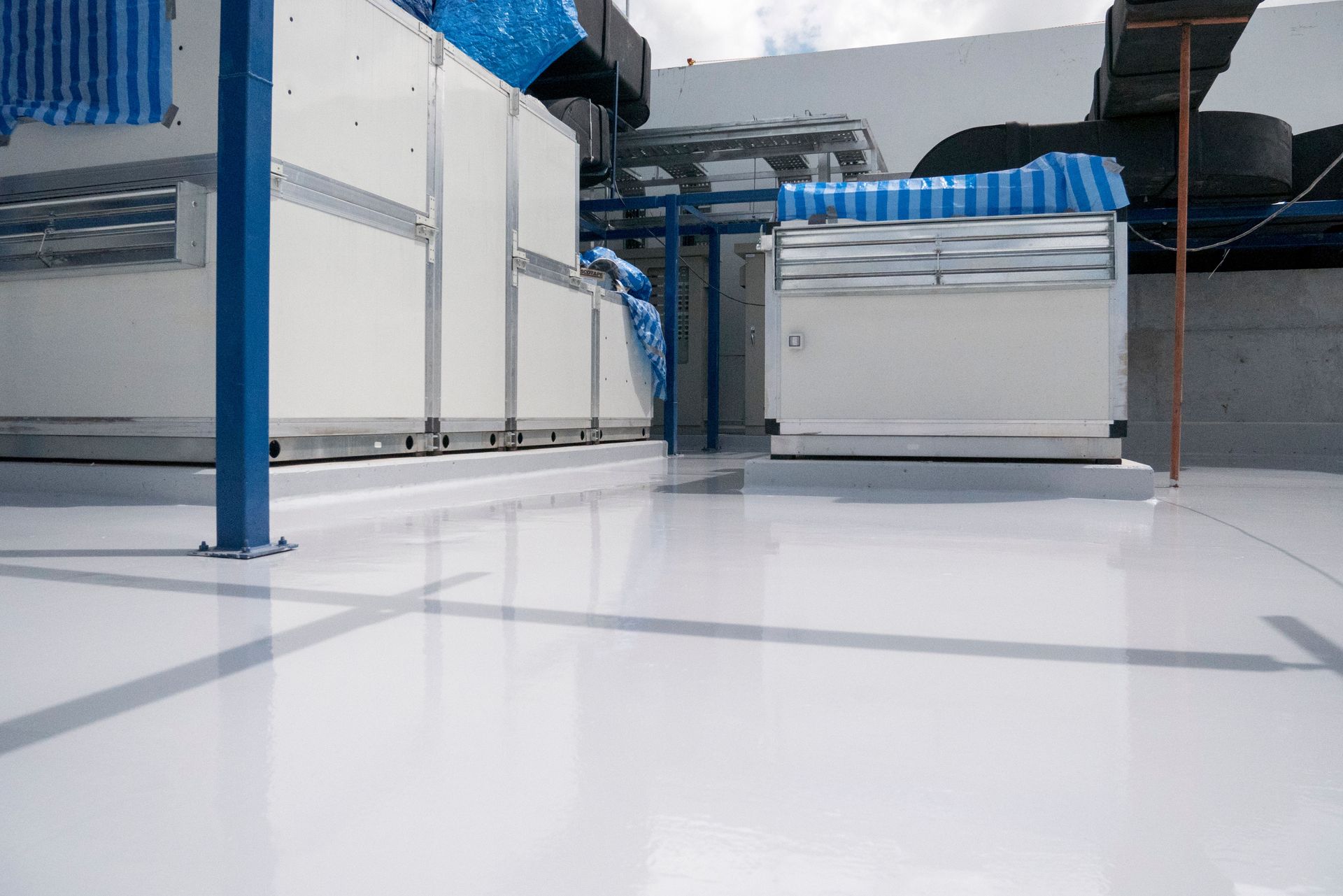
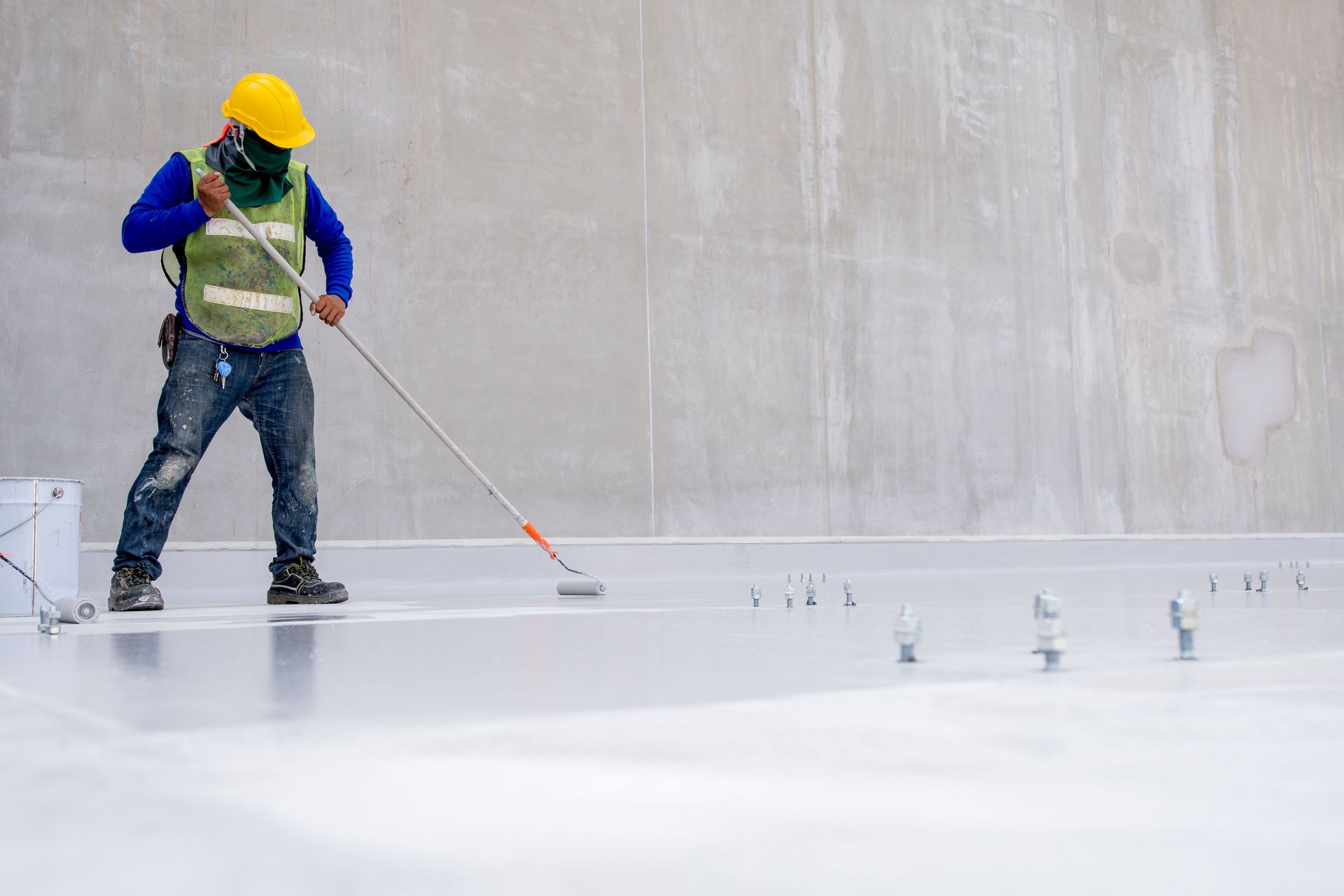
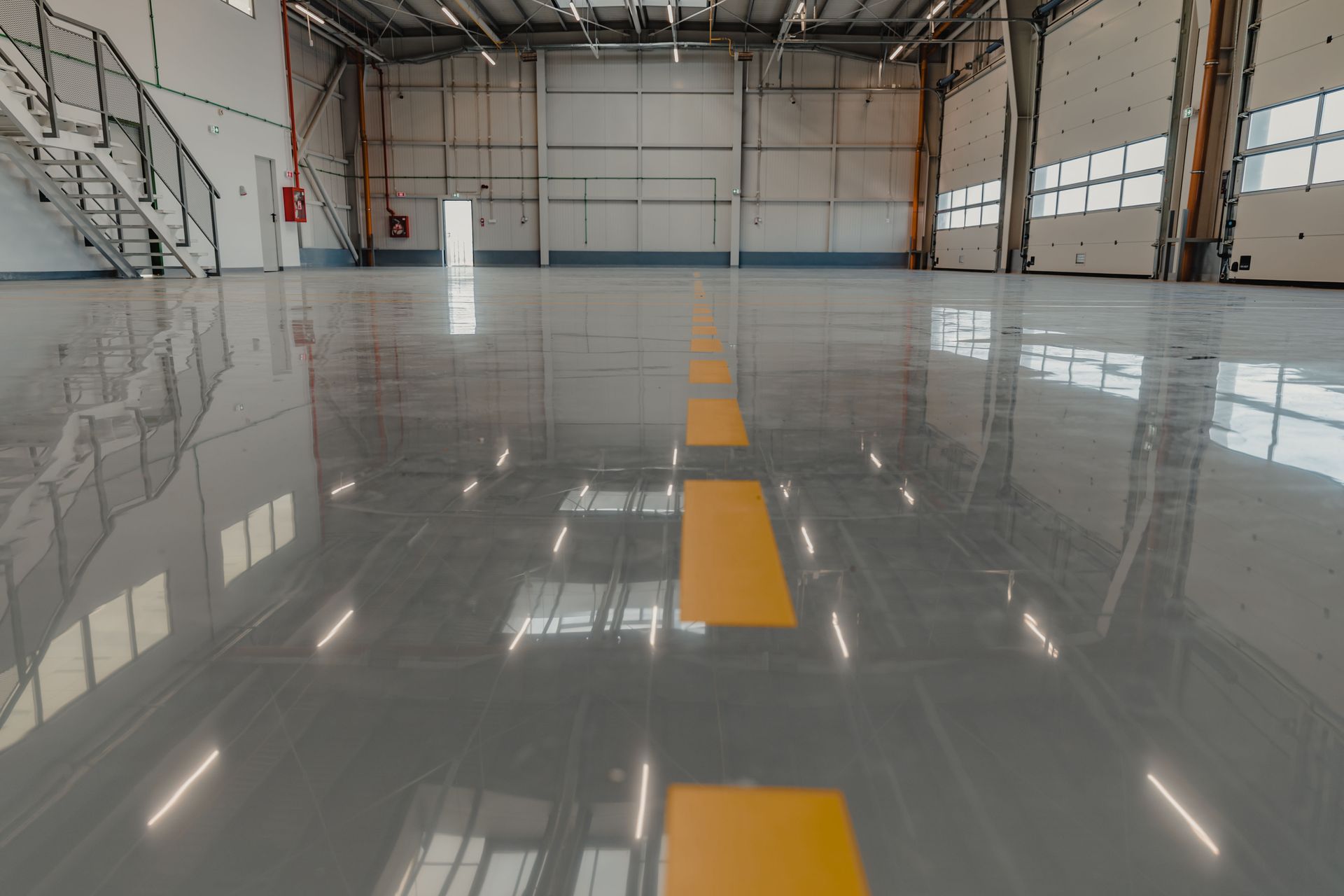
Epoxy coatings are renowned for their durability and are among the most popular choices for industrial floors. Made from a combination of resins and hardeners, they form a strong, seamless layer over concrete surfaces. This enhances the floor's resistance to wear, chemicals, and impact damage. Epoxy coatings are also aesthetically pleasing, offering various colors and patterns to improve the visual appeal of industrial spaces. Furthermore, their non-slip properties enhance worker safety, making epoxy an ideal option for high-traffic areas.
Polyurethane Coatings
Polyurethane coatings offer distinct advantages, particularly in environments subjected to high UV exposure and thermal variation. Known for their flexibility and abrasion resistance, these coatings are excellent for protecting floors that endure heavy traffic and equipment movement. Unlike epoxy, polyurethane is more resistant to scratches and less prone to yellowing from UV rays, ensuring long-lasting aesthetic quality. Their quick curing time also minimizes downtime during installation, a crucial consideration in 24/7 industrial operations. Overall, polyurethane coatings combine durability with aesthetic benefits, making them versatile for varied industrial needs.
Polyaspartic Coatings
Polyaspartic coatings are a relatively new innovation but have quickly gained a reputation for fast curing times. Their rapid setting nature allows for minimal downtime, making them suitable for facilities needing quick turnaround on renovations or repairs. Despite their speedy application, polyaspartic coatings provide robust protection against chemical spills, abrasions, and stains. They can be applied in a wide range of temperatures, adding to their versatility across different climates and industrial environments. This combination of fast application and durability makes polyaspartic a highly efficient floor coating solution.
Acrylic Sealers
Acrylic sealers are used to both protect and enhance the appearance of concrete floors. These sealers are less durable than some high-performance coatings but offer excellent UV resistance, making them ideal for exposed areas. They work by forming a protective film on the concrete surface to prevent moisture penetration and enhance resistance to dirt and stains. Acrylic sealers can also add a glossy finish to the floor, improving its visual appeal. While not as robust as epoxy or polyurethane, they provide a cost-effective solution for environments with moderate wear conditions.
Urethane Mortars
Urethane mortars offer high durability and impact resistance, making them particularly suitable for harsh industrial environments. These coatings have a unique ability to withstand extreme temperatures, chemical exposure, and heavy mechanical stress. When applied, urethane mortar forms a thick layer that protects and strengthens the underlying concrete, ensuring long-term performance. Their thermal shock resistance makes them ideal for environments like food processing facilities, where hot and cold washes are common. Urethane mortars extend the longevity and safety of industrial floors, even under the most challenging conditions.
Benefits of Using the Right Floor Coating in Industrial Settings
Enhanced Durability and Longevity
The primary benefit of using the right floor coating is the enhanced durability and longevity it provides to concrete floors. Coatings like epoxy and polyurethane create a robust barrier, shielding the concrete from wear, chemicals, and mechanical stress. This protective layer ensures floors last longer, reducing the frequency of costly repairs and replacements. As a result, businesses can achieve substantial cost savings while maintaining efficient operations. Additionally, a well-coated floor offers consistent performance, withstanding the rigors of an industrial environment over extended periods.
Improved Safety Standards
Floor coatings play a critical role in improving safety standards in industrial settings. Many coatings offer non-slip finishes that enhance traction, reducing the risk of accidents due to slips and falls. Additionally, they simplify the maintenance of clean, dry surfaces, further minimizing hazards in high-traffic environments. By choosing the right coating, facilities can ensure compliance with safety regulations and create a safer workspace for employees. This not only protects the workforce but also improves productivity and morale within the organization.
Resistance to Chemical and Physical Damage
With industrial concrete floors, resistance to chemical and physical damage is critical. The right floor coating acts as a resilient shield, protecting against aggressive substances that wear down untreated concrete. In facilities such as manufacturing plants and warehouses, where exposure to harmful chemicals is common, coatings prevent costly damage and maintain the floor's structural integrity. Furthermore, with daily mechanical stress from equipment and traffic, coatings reduce wear, enhancing the floor's strength and lifespan. This dual protection ensures a safer, more economical operation.
Choosing the right floor coating can dramatically enhance the protection and longevity of concrete floors in industrial spaces. Careful evaluation and selection based on specific needs and conditions ensures that industrial floors withstand the demanding environments they are exposed to while maintaining safety and efficiency standards. The projected growth of the floor coatings market highlights the increasing recognition of their importance in industrial sectors. According to Verified Market Research, the floor coatings market was valued at $3.39 billion in 2024 and is projected to grow to $4.88 billion by 2031. As industries continue to evolve, the role of effective floor coatings in safeguarding operational integrity and worker safety will remain crucial. Investing in quality coatings reflects a commitment to sustainability, safety, and long-term success. Be sure to reach out to Jay Dee Inc today for more information on our professional industrial floor coating!