June 26, 2026
Industrial floor coatings are not only the first line of defense against everyday wear and tear but also represent an essential component for supporting safety, durability, and regulatory compliance in industrial settings. Choosing the right industrial floor coatings solution requires a thoughtful analysis of numerous variables, including the environmental conditions, the nature of industrial processes, and the anticipated foot and vehicular traffic. This article aims to educate readers about the crucial factors to consider before commercial and industrial floor coating installation, which in turn, will enhance longevity, compliance, and cost-efficiency in your operations.
The types of industrial floor coatings available today can vary widely in their applications and benefits, each tailored to meet specific industrial needs. However, a wrong choice or poor installation can lead to significant financial consequences and safety issues that could easily have been avoided with better planning and consideration. To empower decision-makers with the right insights, this article delves into the essential considerations spanning from durability to cost analysis, and celebration of technological advances in floor coating solutions.
Given the importance of well-laid industrial floor coatings, businesses must harmonize their safety requirements with aesthetic goals and budget constraints. This is integral not only for regulatory compliance but also for creating an environment conducive to productivity. The upcoming sections will provide an in-depth exploration of various characteristics and considerations that guarantee success in industrial floor coating installations, helping your facility's floor serve its purpose effectively over the long haul.
Durability and Lifetime Expectancy
Assessing Material Composition
Durability begins with the foundational elements of the floor coating material itself. Industrial floor coating materials, such as epoxy, polyurethane, and polyurea, are chosen based on their ability to withstand specific conditions prevalent in the working environment. Epoxy, for example, is renowned for its robustness in handling heavy machinery and chemical exposure, making it an excellent choice for many industrial applications. It is crucial to align the material properties with the expected operational demands to support the longevity of the floor. According to Sherwin-Williams, epoxy coated floors that have been designed correctly for the anticipated traffic and abuse exposures should last ten years or greater.
Maintenance Requirements
Understanding maintenance needs is a significant aspect when weighing floor coating options. Some coatings might require frequent polishing, while others may need chemical treatments to maintain their appearance and performance levels. Chosen properly, industrial floor coatings can reduce maintenance costs with properties that resist stains and prevent the absorption of harmful elements. Considering the lifecycle cost rather than the initial outlay can be more indicative of value, as increased durability can reduce the frequency and intensity of required maintenance activities. Maintenance requirements should be deliberated to help make sure the coatings remain operative and reliable in maintaining their protective features throughout their service life.
Safety and Compliance Standards
Understanding Regulatory Guidelines
Compliance with regulatory guidelines is imperative in any industrial setting, including floor coatings which must meet certain safety standards. Regulations often dictate factors such as slip resistance, fire rating, and composition, making sure that the floor coverage contributes positively to workplace safety. Failing to adhere to these can result in significant legal and financial penalties, as well as negatively impact the working environment. By understanding the relevant guidelines specific to your industry, businesses can make informed choices about which products to use. Proper compliance consideration assures both safety and efficiency, maintaining productive and legally compliant operations.
Non-Slip and Safety Ratings
Non-slip ratings are crucial in environments where floor conditions are prone to becoming wet or oily, which can pose serious risks for slips and falls. Safety certifications for non-slip coatings help organizations verify that they meet standard slip resistance criteria, contributing to workplace safety. Utilizing a suitable anti-slip coating can mitigate these hazards, providing traction and stability for workers navigating the area. Exploring products with high slip ratings according to standard benchmarks is essential to minimize accidents and enhance overall facility safety. Implementing appropriate solutions aligned with your regional safety standards can signal a strong commitment to the welfare of employees and visitors alike.
Worker Safety Considerations
Occupational safety is paramount, and the right floor coating can mitigate risks and improve safety throughout industrial settings. Properly selected coatings can prevent accidents linked to slipping, chemical exposure, and static electric buildup, which are all critical to sustaining a safe working environment. Manufacturers often provide certifications indicating a coating's capacity to maintain safe conditions, including non-slip surfaces and other protective features. Incorporating safe flooring solutions offers indirect enhancements such as boosted worker morale and productivity. An emphasis on worker safety considerations in flooring assists in establishing an environment where efficiency and security go hand in hand.
Aesthetic and Functional Attributes
Visual Appeal and Branding
Beyond functionality, industrial floor coatings can enhance the visual appeal and serve as a key component in the branding strategy of a facility. Consistent and attractive flooring can reinforce corporate branding, making a positive impression on both employees and visitors. Bright, uniform floors can also complement a tidy and professional atmosphere, reflecting quality and attention to detail. It’s essential that businesses align their aesthetic goals with functionality when selecting coatings, which can also support branding through the choice of colors and design motifs. Balancing aesthetic appeal with functional necessity can help in defining how the company is perceived both internally and externally.
Customization Options
Customization options in floor coatings afford businesses the ability to tailor their flooring to match their specific operational and aesthetic needs. Color, texture, and design patterns can transform an otherwise plain floor into a dynamic addition to any industrial space. Customization not only supports visual branding initiatives but can optimize functional attributes such as defining pathways, safety zones, and demarcating operational boundaries. Considering the ability to customize within constraints of material and safety standards further enhances operational effectiveness. By leveraging available customization features, businesses can enrich their workspace, catering to both practical functionalities and personalized aesthetics.
Surface Texture and Traction
The texture of a floor coating impacts how it is perceived functionally and aesthetically. Textured coatings offer increased traction, contributing to enhanced safety by reducing slip and fall incidents, especially in high-risk areas where slip hazards are prevalent.
Appropriate surface textures can also aid in maintaining cleanliness by resisting dirt accumulation and making maintenance more straightforward. The right balance of smooth and textured surfaces can provide seamless transitions between different operational zones, catering to a variety of functional requirements. Thorough assessment of the intended application and environmental conditions should be undertaken to achieve optimal texture and level of traction.
Reflectivity and Light Enhancement
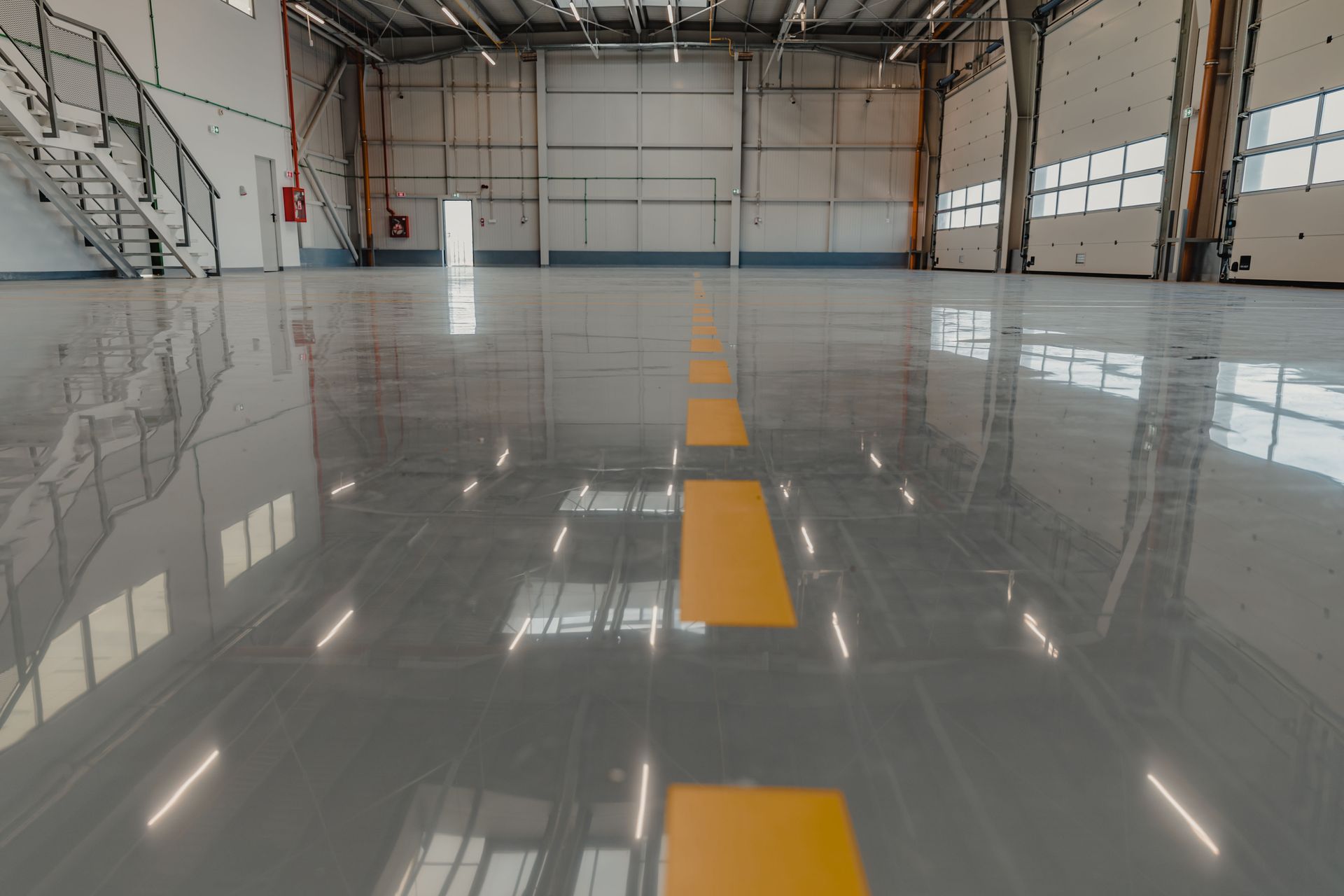
The ability of floor coatings to reflect light and enhance visibility in workspaces offers notable advantages, particularly in environments where lighting conditions need improvement. High-gloss coatings not only enhance the ambient light but also contribute to energy cost savings by reducing the need for intensive artificial lighting. Improved lighting through reflective coatings can increase workplace safety by reducing shadows and enhancing visibility for workers conducting detailed tasks. Furthermore, better-lit environments have been shown to improve mood and productivity among employees, making this a valuable investment beyond immediate operational benefits. By considering light reflectivity, companies can encourage a more efficient and safer work environment.
Choosing the right industrial floor coatings can make a lasting difference in how well a facility handles daily traffic, equipment movement, chemical exposure, moisture, safety concerns, and long-term maintenance needs. By looking closely at durability, compliance requirements, surface preparation, installation timing, material options, and overall cost, businesses can select a flooring system that supports both daily operations and long-term facility performance. With the right planning and application, industrial floor coatings can help protect the floor, improve workplace conditions, and create a cleaner, safer, and more efficient industrial space. Call Jay Dee Inc today to learn more.